A public-data database, ready to import
I collect, clean, and deliver data from public sources in a format you can upload to your platform, CRM, or campaign.
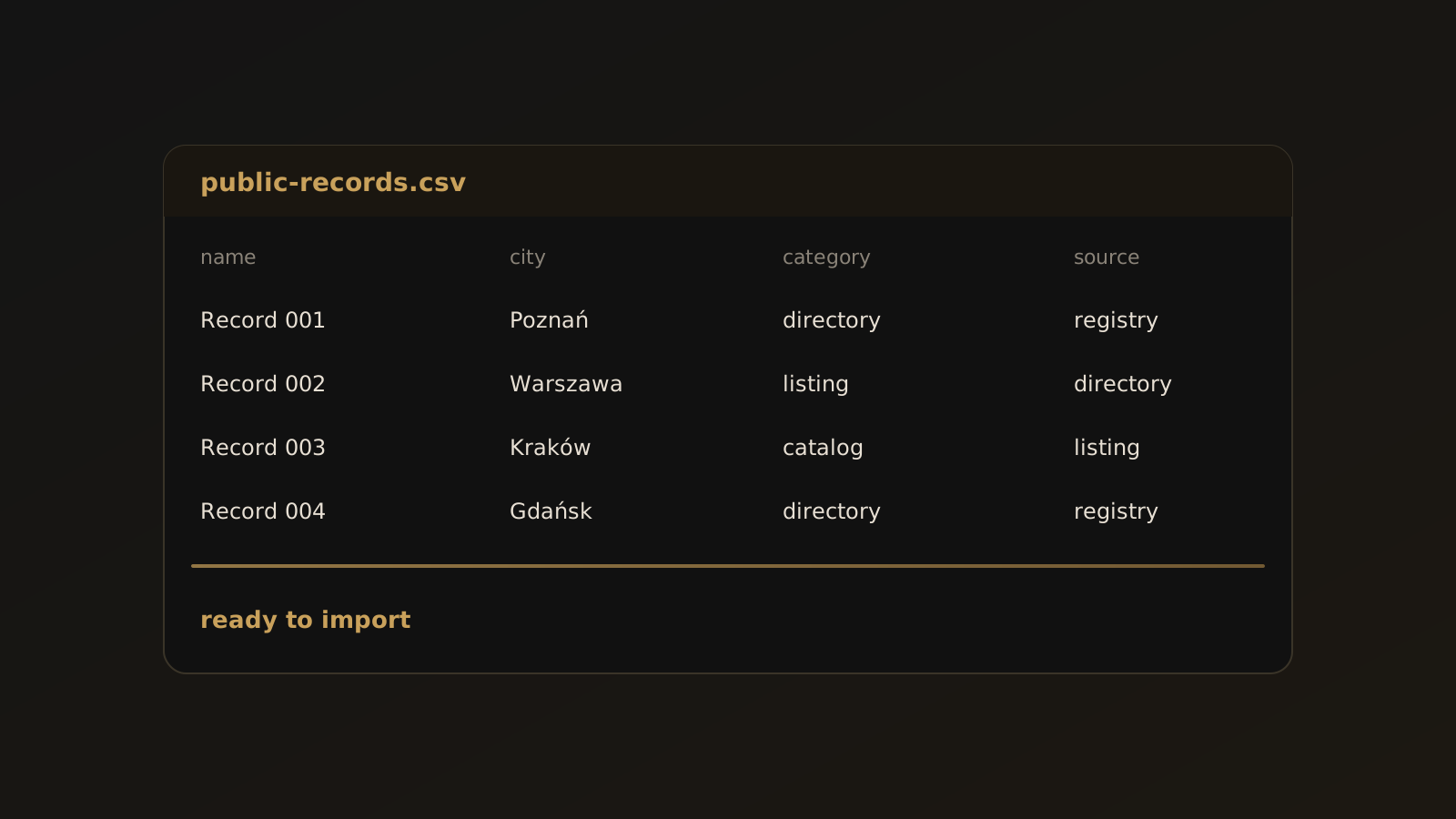
What's included?
- Collecting records from public sources: registries, directories, listings, and websites
- Cleaning, deduplication, and field mapping to match your system
- Export ready to import — CSV, spreadsheet, API, or a direct upload
Individual quote
For companies that need a clean database from public sources — for a CRM, a platform, or sales.
Who is data collection for?
I collect public data for companies that need a database for a CRM, a catalogue, or sales — not another spreadsheet nobody wants to open.
Sales and CRM
Records from registries, directories, listings. So a salesperson does not retype a tax ID from a PDF, but gets a file they can import.
Platform and catalogue
When your service needs complete cards, prices, or locations from sources that are already public — only nobody wants to collect them by hand every week.
A team that does not buy "magic leads"
I do not sell a list of 100 thousand "hot Facebook companies". I work on sources you name, or that we agree are public and useful.
Why an intern in Excel is not a data strategy
Copy-pasting from a registry looks cheap until you count errors, duplicates, and the month later when nobody remembers which column is the tax ID. A bought "company database" is often stale, legally messy to use, or just junk.
Proper collection does three things: it takes from a public source, cleans to your schema, and delivers a file or an import you can use. The rest — "AI scraping over the weekend" — ends with half the records and a letter from a lawyer.
How data collection actually works
Source, collect, clean, deliver. No promise to scrape the whole internet.
Sources and fields
What we collect, from where, and in what shape it should land with you. We agree what is public and what the database is for — before I write a scraper.
Collection
Records from the named registries, directories, listings, sites. I respect source limits and rules. I do not break logins and I do not promise "everything behind a paywall".
Cleaning
Duplicates, empty fields, mapping onto your columns. A database you cannot import is worse than not having one.
Delivery
CSV, spreadsheet, API, or a direct upload. Field documentation. If it should be recurring, we say so — we do not hide a subscription under "maintenance".
What else is included in data collection?
- Collection only from public sources we name together — registries, directories, listings, websites.
- Deduplication and normalisation so a tax ID, name, and address do not appear in three spellings.
- Field mapping for a CRM, platform, or campaign — not a raw dump and best wishes.
- An export you can import: CSV, spreadsheet, API, or an upload we handle together.
- A clear scope: what is in the database, what is not, when it was collected. No magical completeness.
Why not buy a ready-made list or "just run a bot"?
A ready-made list is cheap until you check the date, the legal basis, and whether anyone cleaned it. A tutorial bot dies on an HTML change and leaves you with half a script nobody wants to touch.
With me you pay for a collection that matches your schema and that you can actually import. Public data, scope in writing, a format your CRM will swallow. I do not sell other people's Facebook lists.
Frequently asked questions about data collection
Straight answers before we book a call.
It is an individual quote. It depends on the number of sources, fields, cleaning, and whether this is a one-off dump or a cycle. After a conversation you get a scope and a number, not a "price per record" from nowhere.
I work on public sources — registries, directories, sites without breaking a login. That does not waive your GDPR duties for further use (contact, profiling, sales). If the database goes into cold email, the legal basis is on you. I do not collect data from behind a paywall or from private accounts.
CSV, spreadsheet, API, or a direct upload into your system — we decide at the start. I do not hand over raw HTML and call it a deliverable.
A one-off collection is a snapshot. Sources change. If you need refreshes, we talk about a cycle in the open — I do not pretend a one-off CSV lives forever.
A ready-made list has someone else's date, quality, and often someone else's legal problem. I collect what you name as public, into your fields. Fewer records, more of them you can import and stand behind.
Yes. I operate legally in Poland, I issue an invoice, and you can deduct VAT. A conversation is not a contract — first we check whether the sources and the use make sense.